 News
News
 Prediction
 Fixtures

The Patriots’ ability to trade the third overall pick could be aided by one thing
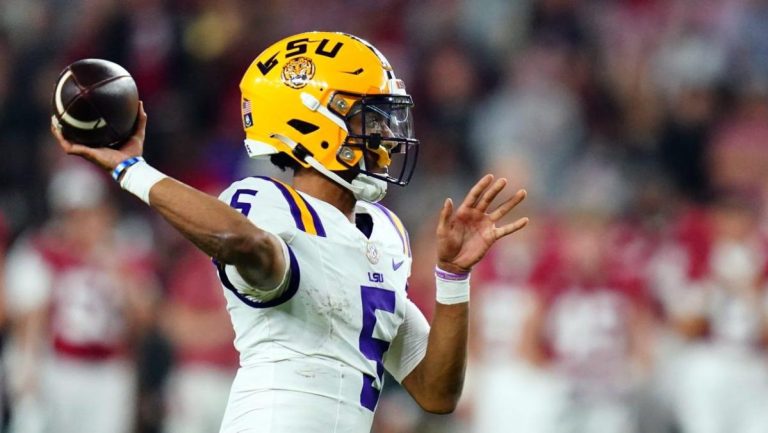
In a recent article on NBC Sports Boston, the focus was on the New England Patriots’ potential strategies regarding their No. 3 overall pick in the upcoming 2024 NFL Draft. The Patriots faced quarterback challenges in the 2023 season, contributing to their 4-13 record. Despite having the chance to select top quarterbacks like Caleb Williams, Drake Maye, or Jayden Daniels with the third pick, there’s speculation on whether they’ll commit to a QB at that spot.
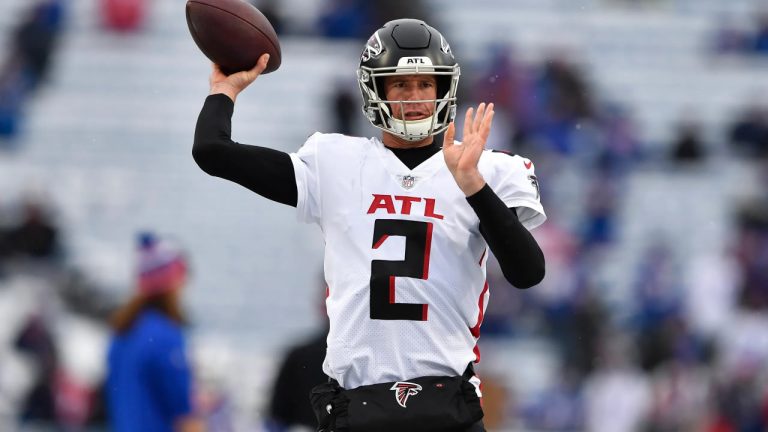
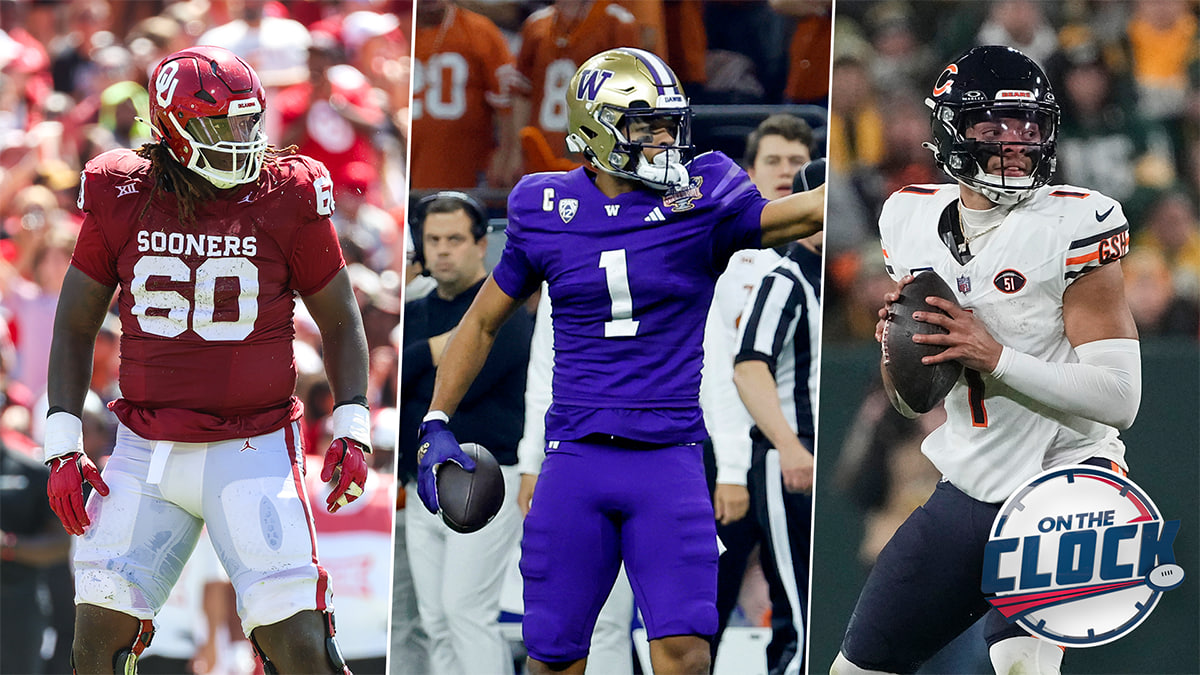
One alternative presented is the possibility of trading down from the No. 3 pick to accumulate additional draft capital, addressing various roster needs. The proposal involves trading a third-round pick for Chicago Bears quarterback Justin Fields, moving down to the eighth pick, obtaining the Atlanta Falcons’ 2025 first-round pick, and selecting wide receiver Rome Odunze and offensive tackle Tyler Guyton later in the first round.
Albert Breer of The MMQB discussed on 98.5 The Sports Hub’s Zolak & Bertrand how last week’s Senior Bowl practices could impact the Patriots’ trade options for the No. 3 pick. According to Breer, the gap between the top three quarterback prospects (Williams, Maye, Daniels) and the next three (McCarthy, Nix, Penix) has widened. Quarterbacks are expected to go off the board with the first two picks, leaving the Patriots with a valuable No. 3 pick that QB-needy teams might be interested in.
Breer suggests that if the Patriots are uncertain about the quarterback talent available at No. 3, they can either select the QB they love or trade down to a later pick (e.g., No. 6 or No. 7). This strategic move would allow them to accumulate more draft capital and address multiple roster gaps, providing flexibility in shaping their team for the upcoming season.
American Football | League Scores & Updates
The debate surrounding the New England Patriots’ potential decision to trade down from the No. 3 overall pick in the upcoming 2024 NFL Draft is multifaceted, with contrasting perspectives on the team’s strategic priorities. On one hand, there’s a compelling argument for seizing the golden opportunity to secure a franchise quarterback, an area where the Patriots have struggled, culminating in a challenging 4-13 season in 2023.
The prospect of landing a quarterback of the future, such as Caleb Williams, Drake Maye, or Jayden Daniels, could be tempting for the Patriots, especially considering the less-than-stellar quarterback landscape within the team. With names like Mac Jones and Bailey Zappe on the roster and a relatively weak free-agent class, the argument against trading down rests on the idea that the Patriots need quarterback assistance more urgently than almost any other team.
However, as NBC Sports Boston’s Patriots Insider Phil Perry astutely points out, the decision-making dynamics within the organization, particularly regarding personnel choices, might play a crucial role in shaping the team’s draft strategy. Perry highlights the significance of Eliot Wolf, the Patriots’ director of scouting, in influencing the team’s approach. Wolf, with his extensive experience in the Green Bay Packers’ front office from 2004 to 2017, witnessed limited quarterback turnover during his tenure.
Perry raises the intriguing question of how Wolf’s historical approach in Green Bay could impact the Patriots’ draft decisions, given the scarcity of quarterback selections at the top of the draft during his time with the Packers. In addition to quarterback choices, Perry notes a relative scarcity of top draft picks devoted to the tackle position during Wolf’s tenure, whether it be him or his father, former general manager Ron Wolf.
The crux of the matter lies in the Patriots’ opportunity to shape their roster strategically, with Wolf’s influence potentially steering the team away from the conventional approach of prioritizing quarterbacks early in the draft. This divergence from typical quarterback-centric strategies may arise from a broader vision for team-building, taking into account both financial considerations and the draft capital at the team’s disposal.
It prompts a deeper exploration of the balance between immediate quarterback needs and the broader, long-term vision for the team’s composition. The Patriots find themselves at a crossroads where they can dictate the trajectory of their roster construction, considering both the financial flexibility and draft assets they possess.
In navigating this decision-making process, the Patriots must weigh the urgency of securing a quarterback against the historical patterns observed during Wolf’s time in Green Bay. The delicate dance between immediate needs and a more measured, sustainable approach to team-building becomes a pivotal aspect of the Patriots’ draft strategy.
Ultimately, the Patriots’ front office faces a nuanced decision-making process that goes beyond the immediate quarterback conundrum. The influence of individuals like Eliot Wolf, with their unique experiences and historical perspectives, adds layers of complexity to the team’s approach. The outcome of this strategic decision will undoubtedly shape the trajectory of the New England Patriots for years to come, as they seek to strike a delicate balance between addressing immediate needs and adhering to a long-term vision for sustained success.